
Why Phantom Became My Go‑To Solana Wallet (and How to Use It Without Freaking Out)

Whoa! Okay, so quick confession — I used to be very nervous about browser crypto wallets. My instinct said they were fragile, like a window open during a storm. Initially I thought a hardware wallet was the only safe bet, but then I started using Phantom for daily Solana work and my view shifted. Actually, wait—let me rephrase that: Phantom didn’t replace my caution, but it made interacting with NFTs and Solana apps practical and less anxiety‑inducing. This piece is a mix of what surprised me, what bugs me, and actionable steps so you can use the Phantom wallet in your browser and on mobile without falling into common traps.
Really? Yes — there’s a lot to cover. Phantom feels polished in ways that matter: clear UX, quick confirmations, and native NFT support. The extension installs in seconds and the mobile app syncs with your seed phrase if you want parity. On the other hand, somethin’ about browser wallets still makes me double‑check permissions every single time. I’ll walk through setup, daily use, NFT handling, security practices, and a few gotchas I learned the hard way.
Wow! Installing the extension is straightforward on Chrome and Brave. You’ll add it like any other extension, create a new wallet or import an existing one, and then Phantom gives you a 12‑ or 24‑word recovery phrase to save offline. Don’t screenshot it. Seriously. If you write it down, tuck that paper where you actually look sometimes — not inside a drawer you forget. Later, when you want the mobile app, search the official sources or use the verified link I recommend below to avoid fake extensions.
Hmm… on first run, you get asked to set a password for the extension. That password protects access on that device, but it is not a substitute for your seed phrase which is the real master key. On one hand having a password is convenient; on the other, it can create a false sense of security. I learned this by testing account recovery on a spare laptop — the seed phrase is everything, though the password helps with day‑to‑day convenience.
Wow! One clear advantage of Phantom is how it treats NFTs. The UI shows your collection imagery, thumbnails, floor prices, and quick transfer options. For collectors, that’s huge — you don’t need to rely on separate NFT galleries. Phantom also integrates with Solana NFT standards like Metaplex, so metadata and images usually load as expected. That said, sometimes metadata points to broken links or slow hosts, so patience or manual metadata inspection helps if an NFT appears blank.
Really? Connecting to dApps is mostly one click. Phantom uses a permissions model where you approve specific sites, and you can revoke access in settings later. My habit: only approve one account at a time and check the site domain thoroughly before confirming. On sites you trust often, you can enable “auto‑connect”, but I’m biased — I prefer clicking every time. That extra friction is worth it when a site is compromised.
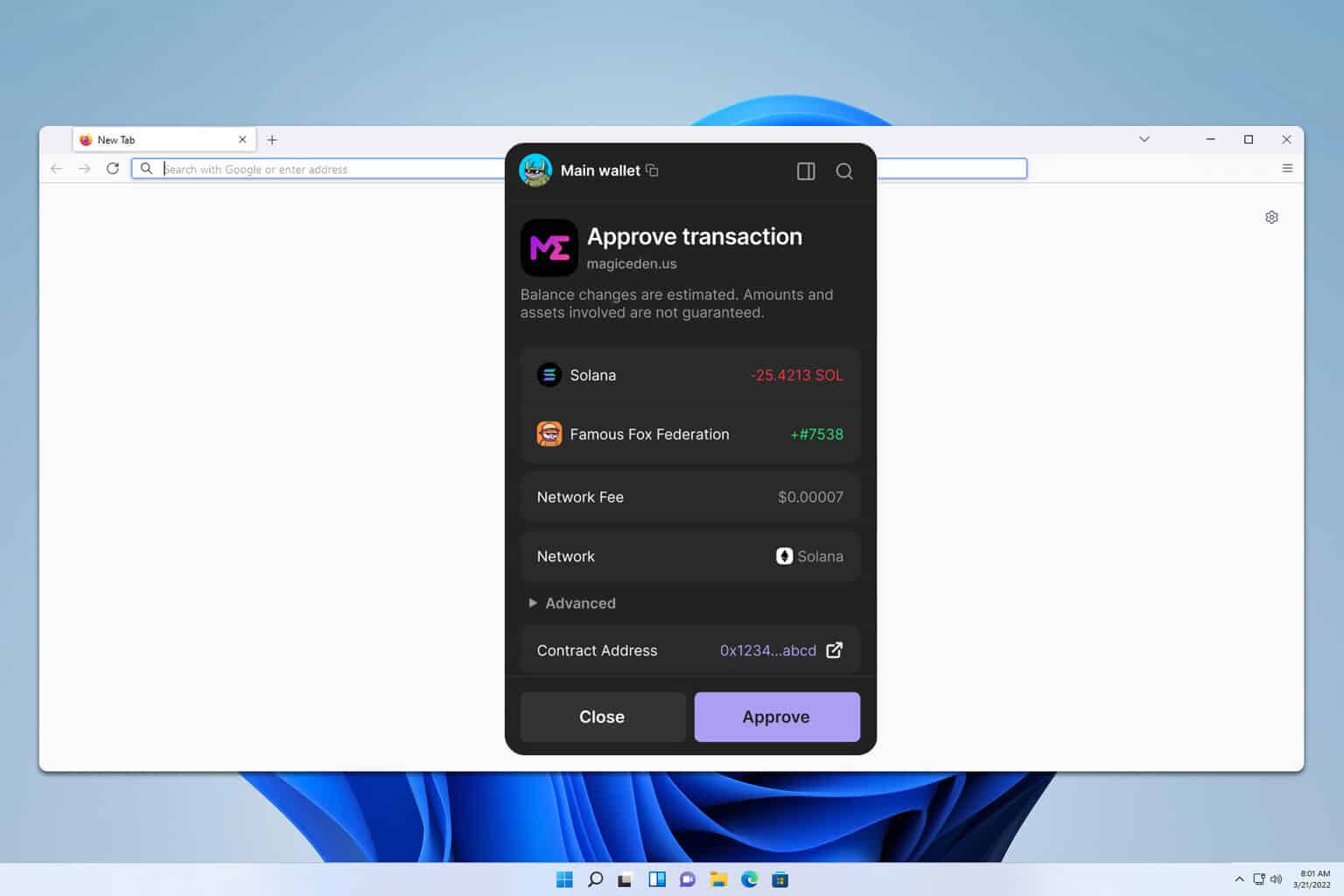
Here’s the thing. Wallet permissions can be deceptive; some prompts request signing messages that look harmless but allow ongoing access patterns. I learned to read the exact text of signatures when possible. Initially I thought signatures were all the same; then I realized a signed message can be leveraged by malicious sites in complex ways. On the practical side, Phantom clearly shows signature requests and the message content most of the time, but not always in plain English, so caution is essential.
Wow! Sending SOL and SPL tokens is fast and cheap on Solana, which is why Phantom works so well for micro‑transactions and NFT minting. Fees are tiny. That’s a big UX win. But speed means mistakes happen faster too — send to the wrong address and the damage is immediate. I keep a small “hot” balance in Phantom for experiments and a larger stash in cold storage; that’s a pattern I recommend if you plan to use both trading and long‑term holding.
Hmm… mobile syncing surprised me with its convenience. You can use Phantom’s mobile app as a standalone or import the extension’s seed phrase for parity. Personally, I use the app for wallet‑connect flows when I’m away from my desktop. On one hand the mobile UI is slightly different; though actually the sync experience is smooth and reliable most of the time. If you plan to manage NFTs on phone, ensure the app cache and image permissions are set so thumbnails load reliably.
Wow! A lot of people ask me about security settings. Phantom offers auto‑lock timers, hardware wallet integration (like Ledger), and a way to view transactions history. Use hardware integration for any significant balance. It reduces risk drastically because private keys never leave the device. I tested connecting a Ledger and it felt reassuringly rigid — the device must confirm each action. That extra step adds a second or two but saves a lot of worry.
Really? Back up your seed phrase in multiple ways. I know — people say that all the time. I’m not 100% sure why some skip it, but I suspect optimism bias (“it won’t happen to me”). I store mine engraved in steel and on a hidden paper slip in a fire‑rated safe. Too extreme? Maybe. But I’ll sleep better. On the flip side, if you overcomplicate backup, you might lose access. So balance redundancy with accessibility.
Here’s the thing. Phishing attacks are the number one real threat. Malicious sites can mimic official dApps and lure you into connecting and signing. My approach: always check the URL, use bookmarks for frequent sites, and never approve random transaction signing requests. Initially I thought anti‑phishing tools would handle everything, but they’re imperfect; manual vigilance remains crucial. If a signature request looks odd, cancel it and ask the community channel or check the dApp’s official comms.
Wow! When minting NFTs, Phantom’s quick confirmations make the flow painless. You set a gas limit (auto) and confirm. The UI clearly shows the SOL required and the receiving address. That clarity matters during drops that sell out fast. Yet, fast‑moving drops can cause nonce collisions or temporary UI glitches, so I sometimes refresh the extension and confirm transactions in small increments when possible. That approach reduces the chance of duplicate spends or failed transactions piling up.
Hmm… troubleshooting is part of any wallet experience. If an NFT image isn’t loading, check the token’s metadata URL and whether the hosting server is up. Also try toggling “Show NFTs” in the settings and clear the cache if Phantom seems stale. On one hand these fixes are mundane; on the other, they saved me a panic when a gallery looked empty mid‑auction. If a transaction is stuck, often the Solana network resolves it quickly; but tools like Solscan can show status if you need to verify.
Wow! Privacy is another angle people miss. Phantom doesn’t hide your on‑chain activity — Solana is public, by design. You can create multiple wallets to segment activities, though that adds complexity. I’m biased toward simplicity, so I usually use one main wallet for trading and a separate collector account for visible NFTs. That separation reduces the chance of cross‑site leaks and helps with mental accounting too. It also keeps me a bit more private in public marketplaces.
Really? Updating Phantom is usually automatic with the browser extension store, but still double‑check extension permissions after updates; occasionally new features request expanded permissions. Initially I ignored that and later regretted it. Actually, wait—when an update asks for more than it should, pause and review change logs. If anything looks off, reach out to Phantom’s official channels or reinstall from the verified source.
Here’s the thing about support and community: Phantom has solid documentation and an active Discord. Use those channels if you hit trouble. When I had a weird token balance, the community pointed out a split token standard that explained it. Those peer explanations saved time. However, community advice can be mixed quality, so corroborate with official docs when possible.
Wow! Okay, here’s a short checklist I use daily: 1) lock the extension when idle; 2) confirm domain before connecting; 3) keep hardware wallet for large sums; 4) back up seed phrase offline; 5) verify signature messages for odd permissions. These steps are simple, but repeated practice makes them second nature. I still mess up sometimes — like approving a tiny test tx on a shady site — but those small mistakes are learning moments, not disasters.
Hmm… final thought — Phantom is not magic, but it gets you in the Solana ecosystem with minimal friction. It balances convenience for NFT collectors and traders with decent security affordances. I’m not 100% sold on every UX choice, and some aspects bug me (like occasional metadata hiccups), but overall it accelerated my ability to experiment and transact. If you want to try it, use the verified link for the extension and apps to avoid impersonators.
Get started safely with Phantom
If you want to download the extension or app, use the official resource I trust: phantom wallet. Seriously—one correct link beats a dozen shady mirrors. After installing, create a new wallet, write down the seed phrase on paper or steel, enable hardware wallet for larger balances, and practice connecting to a trusted dApp with a small transaction first.
FAQ
Is Phantom safe for NFTs and everyday Solana use?
Short answer: yes, if you follow basic security hygiene. Use seed phrase backups, enable hardware wallet for large sums, and double‑check domain names when connecting to dApps. Phantom’s UI is designed for ease of use and includes features like auto‑lock and signature previews, which help reduce mistakes.
What should I do if I think I connected to a phishing site?
Immediately revoke the site’s permissions in Phantom’s settings, move any remaining funds to a fresh wallet if you suspect the seed or private key was exposed, and consult Phantom’s official support channels. Change related passwords and monitor for unauthorized activity. In many cases the damage can be contained, but speed matters.