
Why Rabby Became My Go-To Browser Wallet (and what actually matters)

Here’s the thing.
I kept losing time trying to set up a new browser wallet last week. My instinct said something felt off about every onboarding flow I tried. Initially I thought all wallets were the same, but after digging through permissions, UX quirks, and a few near-misses where I almost approved a nasty permission, I realized the differences matter a lot. Wow, it made me picky in a hurry.
Here’s the thing.
Rabby stood out fast because it treats wallet management like a browser extension first, not an app dressed up for the web. That focus shows up in small but meaningful features like the way it handles approvals and isolates dapps. On one hand a lot of extensions promise “granular permissions” though actually what they give you is a list you barely understand, and on the other hand Rabby lays out clearer prompts and default-deny patterns so you can make good choices quickly. I’m biased, but that part bugs me when other wallets gloss over it.
Here’s the thing.
I tried importing accounts, swapping tokens, and connecting to a few less-known dapps to stress test it. Seriously? The swap UI felt refreshingly honest about fees and slippage. Actually, wait—let me rephrase that: there were moments where my gut said ‘no’ then the UI spelled out why a connection or signature is needed, which prevented me from making a dumb mistake that would’ve cost real funds. Somethin’ about those confirmation dialogs calmed me down.
Here’s the thing.
Security in browser extensions is messy, because the browser sits between you and your keys. Rabby uses clear isolation patterns and warnings that make you think for a second. Initially I thought a heavy-handed lock or password would be enough, but then I walked through extension permission models and realized you need both smart defaults and visible, reversible actions to really protect users. Hmm… I tested recovery phrases and hardware wallet flows to see how it holds up.
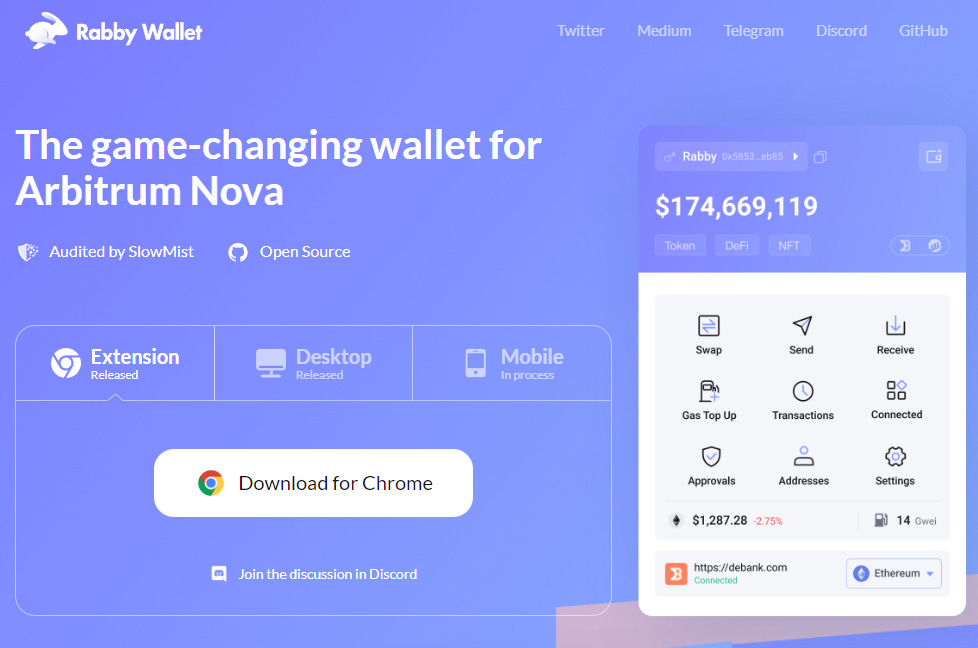
Why I lean toward this extension
Here’s the thing.
When you want a DeFi wallet that behaves like part of your browser rather than a separate island, rabby wallet clicked for me. The permission prompts are explicit and you can blacklist sites quickly. On one hand it’s friendly to power users with features like transaction simulation and token approvals management, though actually it’s approachable for newcomers too because it nudges safer defaults and shows gas estimates clearly. I’ve seen devices where users mix hardware wallets, and Rabby handled that gracefully.
Here’s the thing.
If you’re into multisig, gas control, or just want to avoid approving infinite token allowances, this extension gives you good guardrails. My instinct said it would be clunky, but actually the interface is lean and the learning curve is gentle. The tradeoff is you lose some cross-device polish that dedicated mobile apps have, so if you live mostly in your phone then this might feel a bit clunkier. Still, for desktop-centric DeFi work it saved me time and probably money.
FAQ
Is Rabby safe to use with hardware wallets?
Yes, it integrates with common hardware devices and keeps the private keys off the browser, though you should always verify the signing data on the device screen.
Can Rabby manage token approvals to reduce risk?
It can, and it shows active allowances so you can revoke or limit them; it’s not perfect, but it’s easier than digging through obscure settings. It’s very very helpful for tidy approval management.